No products in the cart.

Should You Fix Your Cracked Phone Screen Yourself or Use a Repair Service?

When deciding whether to fix your cracked phone screen yourself or use a repair service, start by evaluating the damage. DIY repairs can save money but require the right tools and skills, while professional services offer expertise and guarantees. Compare costs and consider the pros and cons to choose the best option for your situation.
Assessing the Severity of the Damage
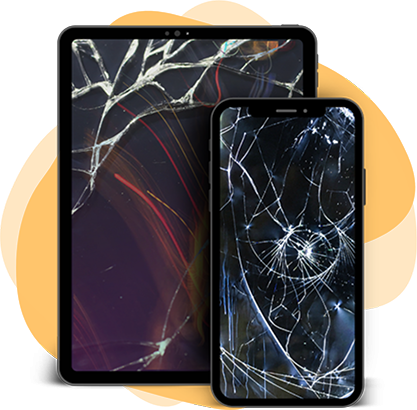
Before deciding whether to fix your cracked phone screen yourself or seek professional help, it’s crucial to evaluate the severity of the damage. Start by evaluating the crack’s size and location. If it’s extensive or impacts functionality, consider a professional repair service. Check for underlying issues that could further damage the screen. For a protective phone, weigh the cost and benefits of professional versus DIY repair.

Understanding Screen Repair Options

When it comes to fixing your phone screen, you’ve got several options to evaluate. You can use a screen repair kit if you’re confident with tools, or you might prefer leaving it to skilled technicians who know the intricacies of screen replacement. Understanding how the process works and choosing the right tools or professionals can make a big difference in the quality and longevity of the repair.
Using Screen Repair Kits
Screen repair kits offer a practical solution for those looking to fix their phone screens at home. Using a high-quality repair kit can save money and prevent further damage. Here’s how to master it:
- Check Compatibility: Verify the kit matches your phone model.
- Follow Instructions: Use included guides for effective repair.
- Understand Risks: DIY repairs can void warranties, so proceed wisely.
How the Screen Replacement Process Works
Although getting your phone screen replaced might seem challenging, understanding the process can make it less intimidating. The repair process begins with evaluating any damage beyond the screen crack. Professionals use high-quality replacement parts for screen replacement, guaranteeing peak performance. After installation, tests confirm functionality. Here’s a quick overview:
“`markdown
| Step | Description | Importance |
|---|---|---|
| Evaluation | Check for additional damage | Guarantees thorough repair |
| Disassembly | Remove damaged screen | Access internal components |
| Installation | Fit high-quality replacement parts | Restores phone screen repair |
Choosing the Right Tools or Technicians
Choosing the right tools or technicians for screen repair can greatly impact the longevity and quality of your device. Prioritise these steps:
- Select licensed professionals who use original parts to maintain your device’s integrity.
- Compare repair costs to find the best value for your budget.
- If considering DIY repairs, make certain you have all necessary tools like precision screwdrivers and suction cups.
Making informed choices leads to superior results.
How To Protect Your Phone Screen After Repair

After repairing your phone screen, it’s essential to use a screen protector correctly to shield against future damage. Understand the different types available and learn how to apply a glass screen protector step by step for ideal coverage. Additionally, choose a phone case that offers the best protection and follow regular maintenance tips to keep your device safe.
Using a Screen Protector the Right Way
When your phone screen is freshly repaired, it’s crucial to act swiftly and apply a high-quality tempered glass screen protector to safeguard it from future damage. Here’s how to do it right:
- Clean the screen: Use a microfibre cloth to remove dust for smooth adhesion.
- Apply the screen protector: Guarantee a proper fit for full coverage.
- Regularly inspect the screen protector: Replace it to maintain peak protection.
Different Types of Screen Protectors Explained
While deciding on the best way to protect your phone screen after repair, understanding the different types of screen protectors is essential. Tempered glass protectors offer robust protection with a 9H hardness rating. Polymer film protectors are flexible yet sensitive. Liquid screen protectors enhance scratch resistance. Privacy screen protectors secure your data, and anti-blue light protectors reduce eye strain while guarding against scratches. Choose wisely for ideal protection.
How to Apply a Glass Screen Protector Step by Step
One essential step to guarantee your phone’s longevity after a screen repair is applying a glass screen protector correctly. Follow these steps to protect your phone:
- Start by cleaning the phone screen thoroughly with an alcohol wipe or microfibre cloth to secure maximum adhesion.
- Align and apply the glass screen protector, pressing down on the centre to adhere it.
- Eliminate air bubbles using a credit card, making sure the adhesive sets properly.
Phone Cases: Which Ones Offer the Best Protection?
After successfully applying a glass screen protector, it’s time to contemplate the next layer of defence for your phone: the case. Rugged cases offer unmatched protection, meeting military standards. Slim cases balance aesthetics and durability. Hybrid cases excel in shock absorption. Water-resistant cases safeguard against moisture. Verify screen protector compatibility for thorough coverage. Choose wisely to masterfully protect your device from future mishaps.
Regular Maintenance Tips to Prevent Future Damage
To keep your phone in top condition after screen repair, start by investing in a high-quality screen protector like tempered glass, which can absorb impacts and resist scratches. Follow these regular maintenance tips:
- Use a durable phone case: Guarantee it covers edges for full protection.
- Avoid placing your phone: Keep it away from keys and coins.
- Handle your device with care: Prevent falls and extreme temperature exposure.
How to Extend the Life of Your Screen Protector
Applying a high-quality tempered glass screen protector is essential to extend the life of your newly repaired phone screen. Regularly clean your screen protector to prevent dirt build-up. Handle your phone with care using a durable case for additional bump protection. Avoid exposing your phone to extreme temperatures or humidity to preserve the adhesive.
| Action | Benefit |
|---|---|
| Apply tempered glass protector | Absorbs impacts |
| Regular cleaning | Maintains clarity |
| Use durable case | Protects from drops |
| Avoid extreme conditions | Prevents peeling |
Final Thoughts
To keep your newly repaired phone screen in tip-top condition, take some proactive steps. First off, invest in a high-quality screen protector and a sturdy case. These will guard against those inevitable drops and scratches. Think of them as a helmet and armour for your phone. And remember, where you place your device matters—avoid tossing it into a bag with sharp objects like keys. Treat it with the same care you would a delicate piece of china.
Regular cleaning is also essential. Use a microfiber cloth to keep your screen sparkling and free from smudges. By following these simple guidelines, you’ll enjoy a longer-lasting, crystal-clear screen and save yourself from future repairs and expenses. Consider it a small effort for peace of mind and a step towards keeping your phone looking its best.