No products in the cart.
If you use an Apple iPhone, Samsung Galaxy, or Google Pixel, your phone screen faces constant taps, swipes, and everyday wear and tear. A screen protector adds a protective layer over the front of the screen to reduce scratch damage and keep your device in pristine condition. Many people get a screen protector when buying a new iPhone like the iPhone 16 or planning ahead for an iPhone 17 Pro. If you want the right screen protector, this guide explains how to choose and where to shop online.
What a screen protector is and why it matters
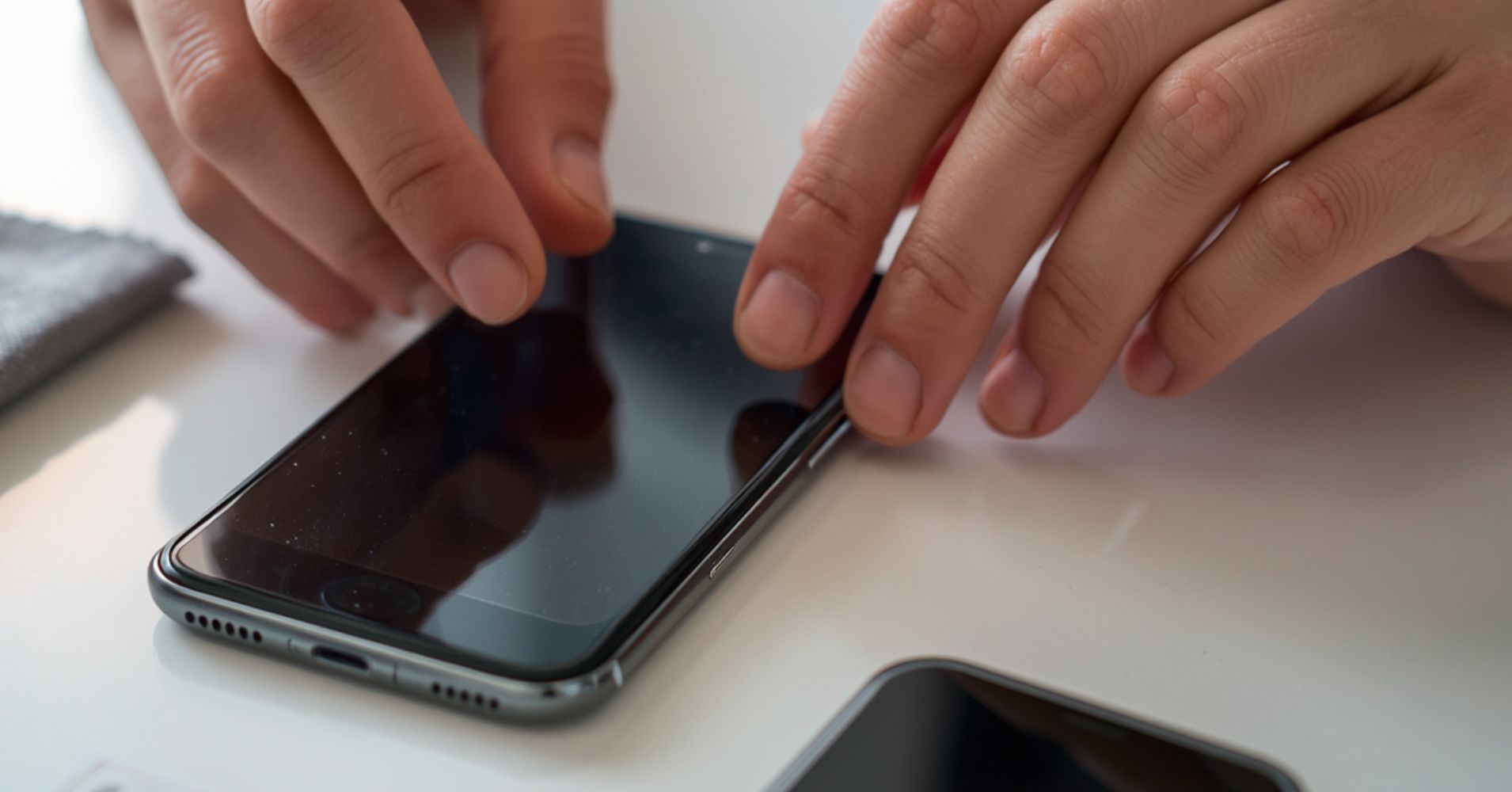
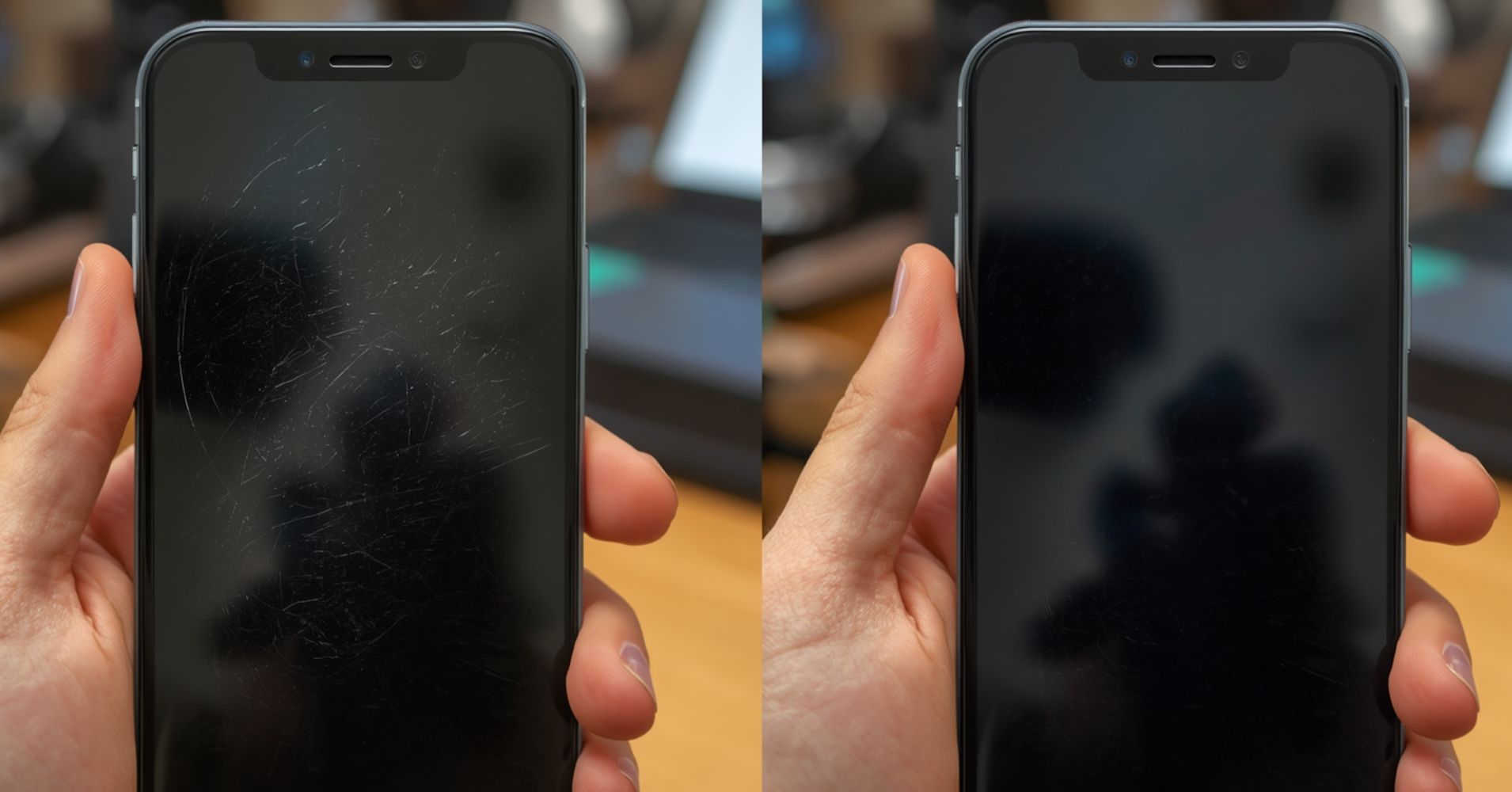
A screen protector is a thin layer designed for screen protection against scratches, smudge marks, and daily use.
Even with strong materials like ceramic shield on an Apple iPhone, the iPhone screen can still scratch. A quality screen protector helps absorb damage so the original display stays cleaner and clearer.
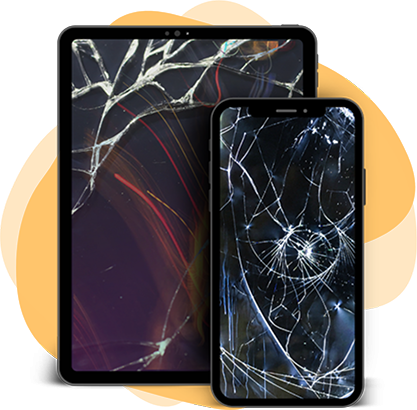
Screen protectors designed for iPhones and smartphones also help maintain resale value. If damage does occur, you may need support like iPhone screen repair rather than relying only on protection.
What it helps protect against
- Everyday wear and tear
- Light scratch marks
- Minor drops when you drop your phone

How screen protectors work
Screen protectors work by adding a barrier that absorbs impact and prevents direct contact with the phone screen.
Tempered glass screen protectors spread force across the entire screen, while TPU and PET films flex to reduce stress. The adhesive layer ensures the glass protector stays secure and maintains a clear view of the screen.
Key idea
- The protector takes damage before the phone screen
This is why even a cracked tempered glass screen protector can still mean your phone screen is screen safe underneath.
Types of screen protectors for iPhones and smartphones
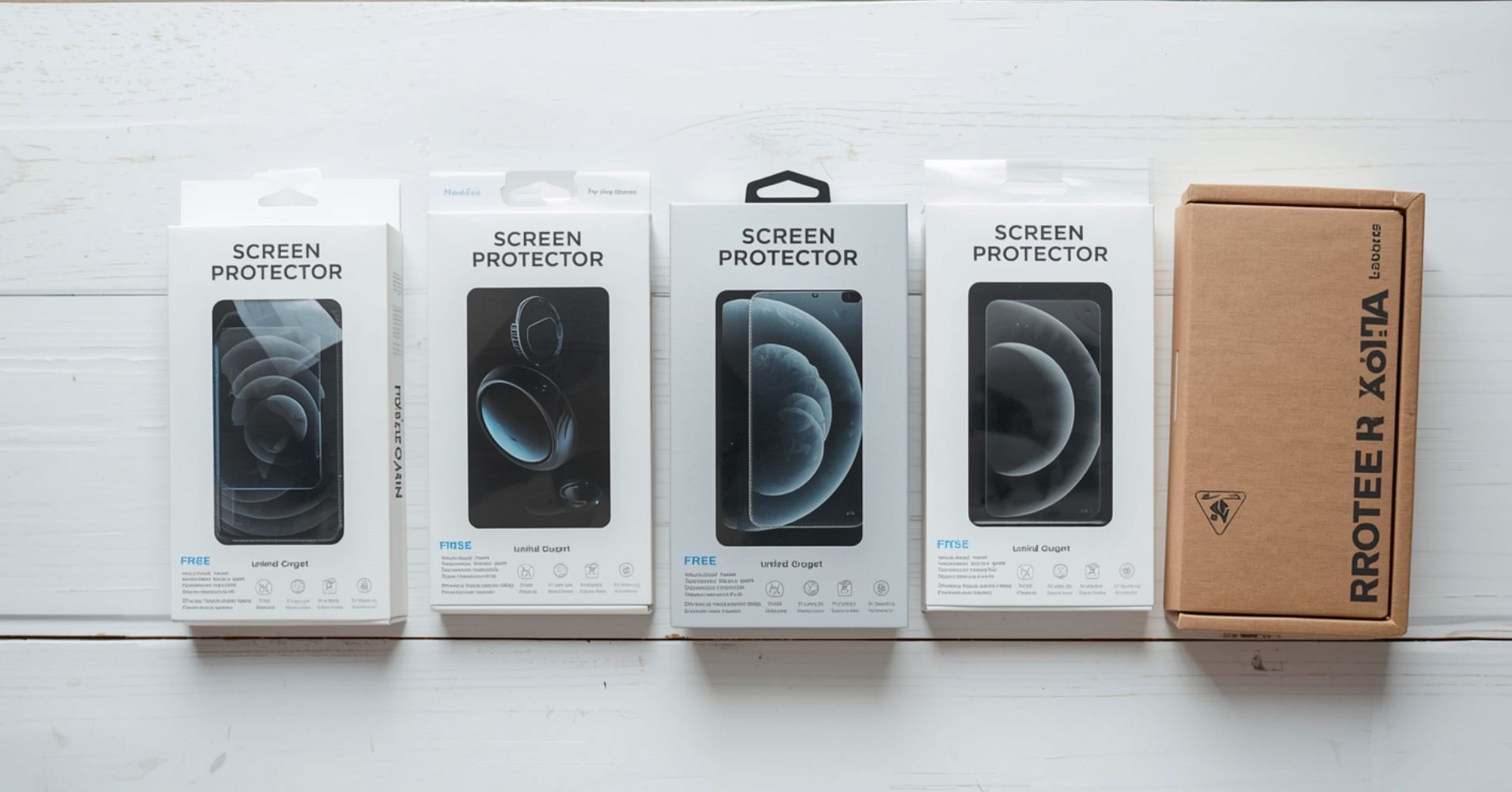
There are several types of screen protectors, each suited to different needs.
Tempered glass screen protector
Tempered glass screen protectors are the most popular option.
They are smooth and responsive, closely matching the feel of the original display. Brands like Spigen and ZAGG produce widely used options, including the Spigen screen protector range.
Why choose tempered glass
- Strong scratch-resistant surface
- Smooth and responsive feel
- Easy to apply with kits that come with an alignment frame
Privacy screen protector
A privacy screen protector uses a privacy filter to limit side viewing angles.
Privacy glass is ideal if you want additional privacy in public spaces. It reduces visibility from the sides but may increase glare or slightly reduce brightness.
Best for
- Commuters
- Handling sensitive content
PET screen protectors
PET screen protectors are basic film options.
They provide light scratch protection but less durability than glass screen protectors.
Use cases
- Budget-friendly option
- Minimal thickness
TPU screen protectors
TPU protectors are flexible and suitable for curved displays.
They offer edge-to-edge protection and are common for Samsung Galaxy devices.
Key traits
- Flexible material
- Covers corners of the screen
- Helps with minor marks over time
Materials and construction explained
Screen protectors use layered materials to balance protection and usability.A tempered glass screen includes a hardened outer layer, shock-absorbing core, and adhesive base. TPU and PET rely on flexibility instead of rigidity.Key parts- Protective layer
- Adhesive layer
- Coating to reduce glare and fingerprint
Scratch resistance and hardness rating explained
Scratch resistance depends on the hardness of the material.Most tempered glass protectors use a 9H rating based on the film hardness by pencil test. This is part of a hardness scale and differs from Mohs hardness.Understanding hardness- 9H resists keys and coins
- Harder materials like sand can still scratch
- No protector is unscratchable
Impact protection and durability in real use
Impact protection is about how well the protector absorbs force.Tempered glass breaks to absorb impact, while TPU bends to reduce stress. Using a good case like OtterBox or Speck alongside your glass protector improves durability.What matters most- Material thickness
- Fit around the entire screen
- Compatibility with phone cases
Clarity glare and visibility in daily use
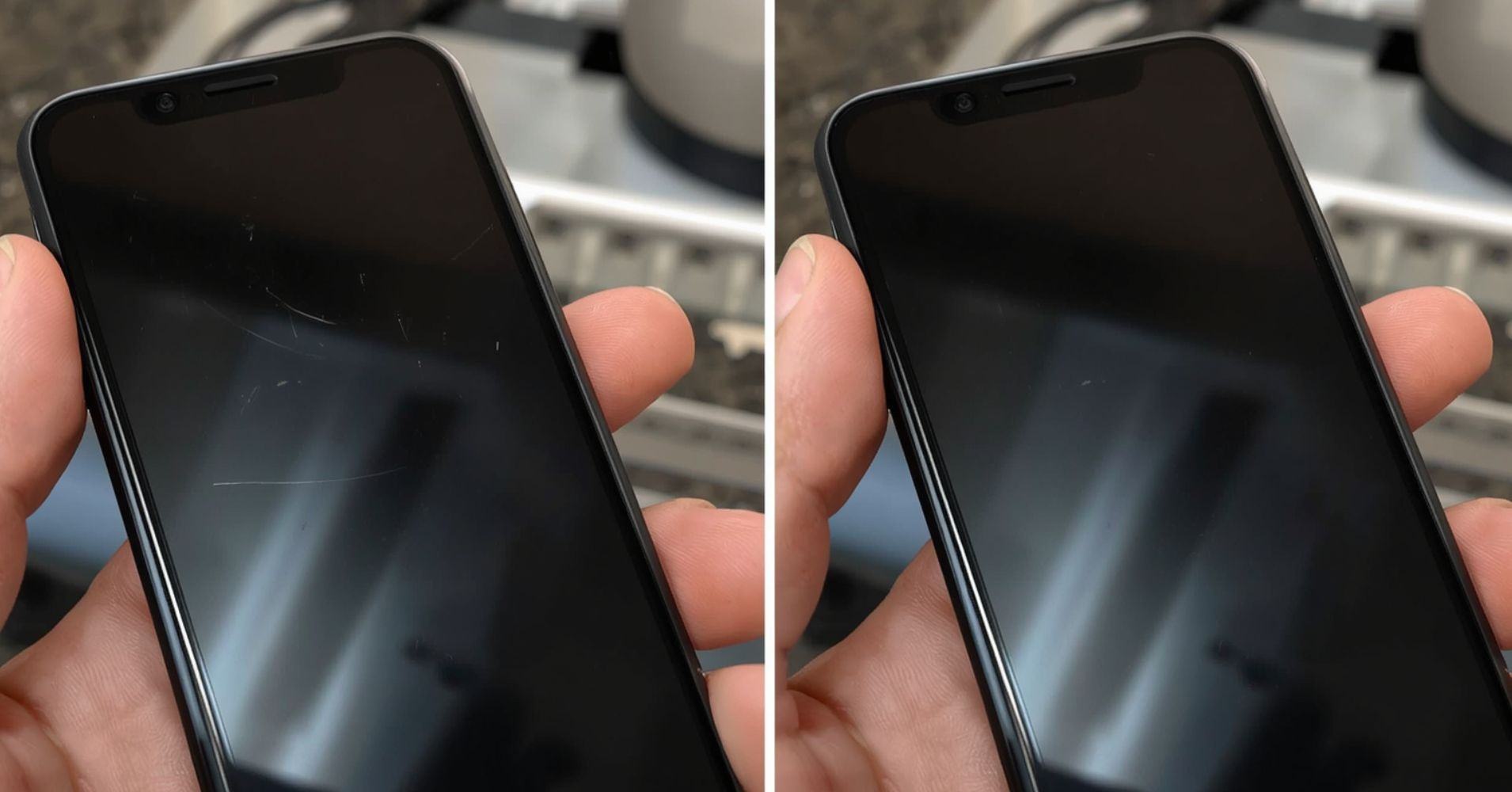
Clarity affects how well you see your screen.Glass protectors offer a clear view of the screen, while anti-glare options reduce reflections and eye strain. Privacy glass reduces visibility from angles but may affect brightness.Comparison
| Feature | Glass protector | Anti-glare |
|---|---|---|
| Clarity | High | Slightly reduced |
| Glare | Moderate | Low |
| Visibility | Clear | Matte finish |

Touch responsiveness and usability
Touch responsiveness is critical for everyday use.
A high-quality screen protector remains smooth and responsive, allowing accurate typing and gestures. Poor installation or dust can reduce responsiveness.
What helps
- Clean installation
- Even adhesive
- No air bubbles
Fingerprint sensors on some Samsung or Google Pixel devices may require compatible protectors.
Installation process and tools you need
Proper installation ensures the best results.
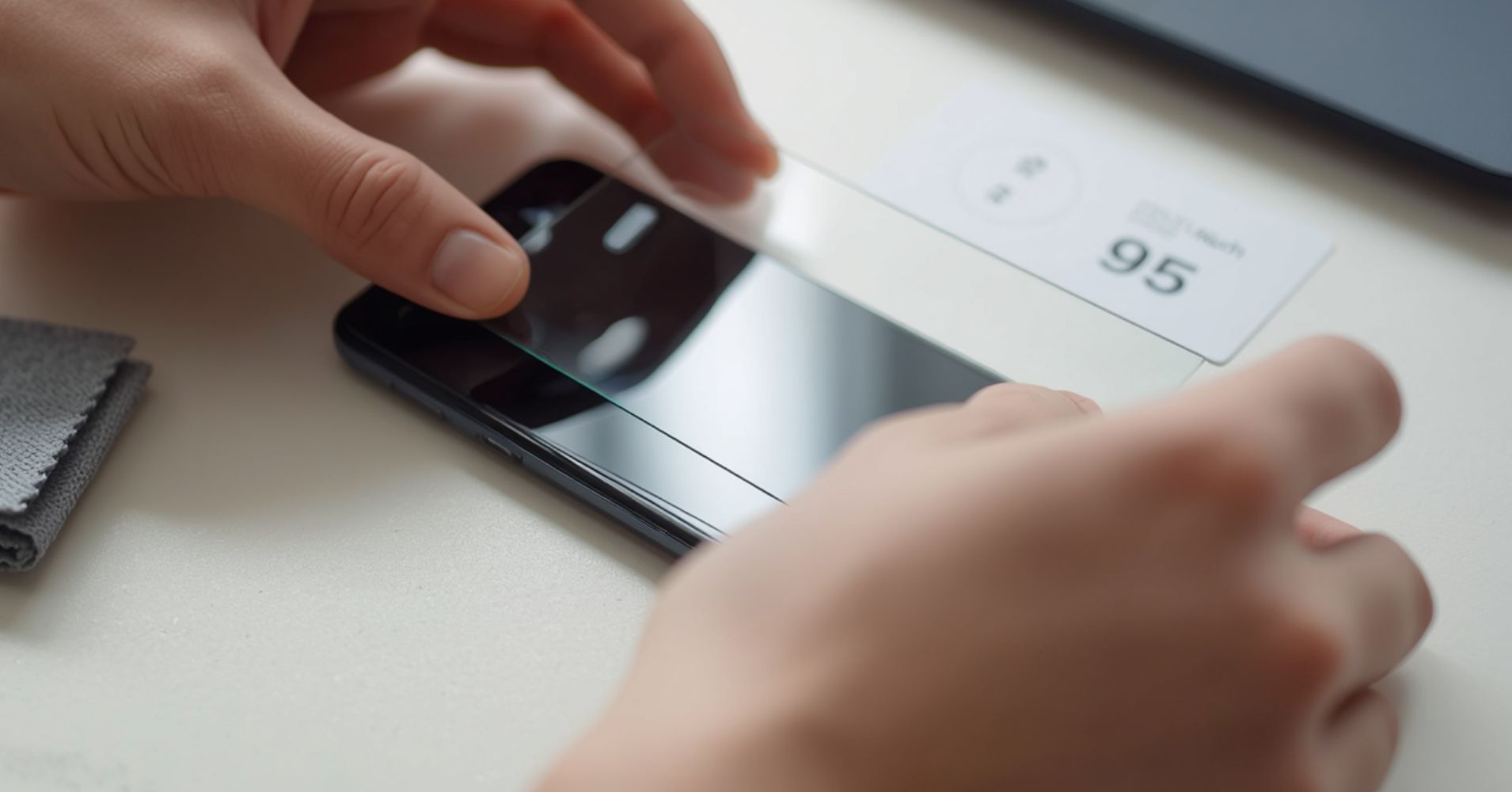
Before you apply the protector, use a microfibre cloth and dust removal sticker to clean the screen. Even a speck of dust can cause air bubbles.
Steps to apply the protector
- Clean the screen
- Remove dust carefully
- Align using the frame
- Apply slowly
Many protectors come with an alignment tool, making them easy to apply.
Compatibility with phone models and cases
Screen protectors must match your phone model.
Check compatibility for Apple iPhone, Samsung Galaxy, or Google Pixel devices. Some offer edge-to-edge coverage, while others are case-friendly.
What to check
- Exact iPhone model
- Fit with phone cases
- Coverage of the front of the screen
If your screen is already cracked, you may need a professional screen repair before installing a new protector.
Limitations and misconceptions about screen protectors
Screen protectors have limits.
They do not make your phone indestructible. Claims like stronger than tempered glass or fully scratch-resistant should be treated cautiously. When weighing whether to repair or replace a cracked screen, understanding these limits helps you make a better decision.
Common misconceptions
- 9H does not mean scratch-proof
- Protectors cannot prevent all damage
- Installation quality matters
Understanding these limits helps you choose realistically.
How to choose the right screen protector
Choosing the right screen protector depends on your needs.
If you want durability, choose tempered glass. If you need flexibility, choose TPU. If you want privacy, choose a privacy screen protector.
Quick checklist
- Your phone model
- Your usage habits
- Need for privacy or clarity
- Compatibility with a good case
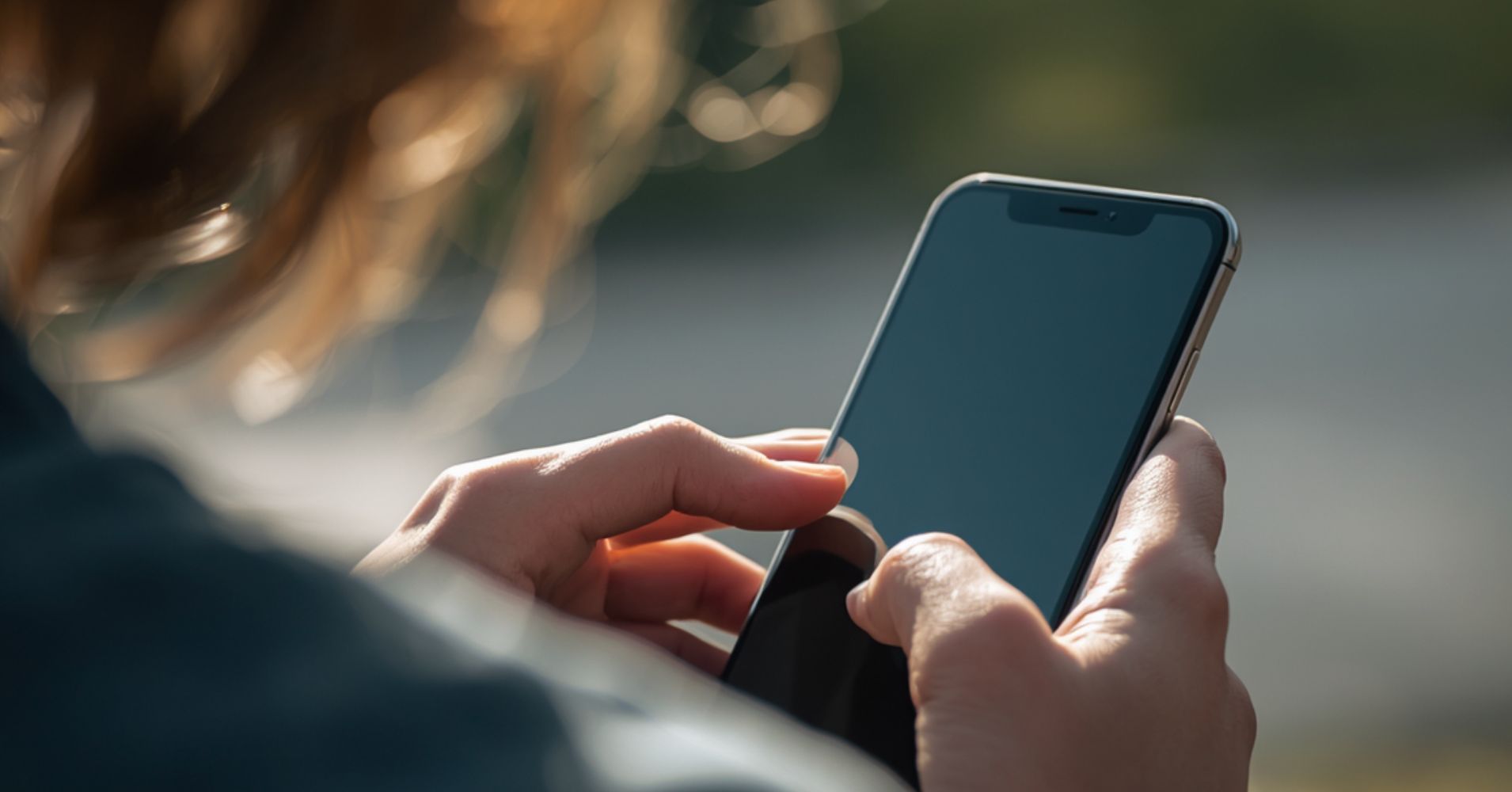
A balanced setup is a tempered glass protector paired with a protective case.
When this may not be the right fit
Some users prefer not to use a protector.
If you rarely expose your phone to risk, you may skip it. However, most users benefit from screen protection.
How to judge if you need this now or later
You need a screen protector when you get a new iPhone or replace an old one.
If your current protector shows scratches, smudge build-up, or air bubbles, it is time to replace it.
Where this connects to phone protection choices
Screen protection works best with other accessories.
Pairing a screen protector with phone cases improves overall durability. If your phone has suffered water damage, it is best to get the device repaired before applying a new protector. You can also explore our fast repair service if you need same-day turnaround on the Sunshine Coast.