No products in the cart.
Common iPhone screen issues and how to fix them safely
Australian iPhone users often deal with cracked glass, touch faults, flickering, or a black display after everyday wear, a drop, or moisture exposure. This guide helps you match the screen issue you can see to the most likely cause, try safe troubleshooting first, and decide when repair, protection, or replacement makes more sense. If your iPhone’s screen is not responding to touch or looks damaged, this will help you take the next sensible step.
What counts as a common iPhone screen problem
iPhone screen issues are one of the most common problems iPhone users face. A screen issue can include a cracked screen, a scratch that affects visibility, flickering, dead pixel spots, poor sensitivity, ghost touches, or a display that goes black and appears to stop working.
These problems matter because the screen is one of the main ways you use your iPhone. When the touchscreen becomes unreliable, small faults can turn into bigger ones, especially after accidental damage or when a cracked or damaged screen is exposed to moisture.

Don't Let A Broken Phone Hold You Back
Look no further! Our comprehensive price list covers all major brands and models, ensuring that you can easily find the repair cost for your specific phone. Pleas check our price list for details
What are the first safe troubleshooting steps to try
iPhone users should start with simple troubleshooting steps that do not risk more damage. A restart can clear temporary glitches, especially if the problem started after an app freeze, battery drain, or an iOS update.
- Restarting your phone normally if the screen still responds.
- Try a force restart if the display is frozen. On many iPhones, press volume up button, then volume down button, then hold the side button until the Apple logo appears.
- Remove a damaged screen protector or bulky case if it may be affecting touch sensitivity.
- Charge the phone for a while if the iPhone battery is flat or unstable.
- Move the device out of extreme heat and let it cool if the display issues began when it was exposed to extreme temperatures.
If the screen issue changes or clears after restarting your phone, software glitches are more likely. If nothing changes, keep reading before you try anything more involved.
Is it a software glitch or hardware issue
iPhone screen issues often show a pattern that points to either software glitches or hardware issues. The quickest fix depends on knowing which side is more likely.| Likely software glitch | Likely hardware issue |
|---|---|
| The problem started after an iOS update | The problem began after a drop or impact |
| The screen works again after a restart | The display stays faulty after restart |
| The issue happens in one app only | The issue affects the whole phone |
| No visible physical damage | There is a crack, bend, flicker, or black patch |
Why does an iPhone screen become unresponsive
An unresponsive touchscreen usually points to either impact damage, pressure damage, moisture, or a temporary software malfunction. When an iPhone screen becomes unresponsive in one area only, the digitiser may be damaged even if the glass does not look badly broken.
If the whole display stops responding to touch, start with a restart and remove anything pressing on the edges. If the touchscreen becomes slow, erratic, or starts responding to touch in the wrong place, that is a stronger sign the screen repair may need more than a simple fix.
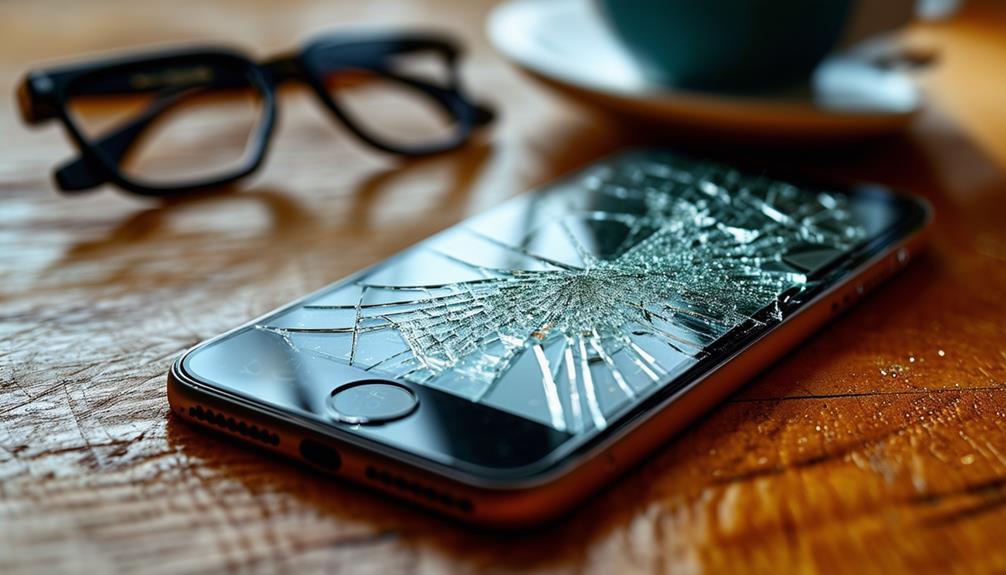

Not Sure About A Repair You Need?
Whether you’re dealing with a cracked screen, battery issues, or software glitches, we’ve got you covered. Get a FREE quote today!
What does flickering dimming or a black display usually mean
Display issues often show severity through what the screen does, not just how it looks. A black display does not always mean the phone is dead, but it does mean you should treat it carefully.
- Flickering can point to loose internal connections, impact damage, or software glitches.
- Sudden dimming may happen with heat, power strain, or battery performance issues.
- A black display with sound or vibration can mean the phone is on but the screen has failed.
- Lines, colour patches, or pixel faults often suggest screen damage after a break or pressure.
If the display comes back briefly after a restart and fails again, do not assume it is fully functional. Repeated visual faults usually mean the problem is progressing.
Is a cracked screen safe to keep using
A cracked screen is not just a cosmetic problem. Cracks can reduce touch accuracy, let in dust or moisture, and create sharp edges that can worsen with normal use.
Shattered screens are more prone to damage spreading across the panel. Even a small crack can cause the screen to stop working later, especially after another accidental bump, pressure in a pocket, or contact with water damage.
What should you not do with a damaged iPhone screen
iPhone users can make a common problem worse by trying risky fixes too soon. A damaged screen needs careful handling, especially if the phone has been exposed to moisture or the glass is lifting.
- Do not press hard on the display to make it respond.
- Do not charge the phone if you suspect water damage and it was recently exposed to moisture.
- Do not use a DIY kit unless you have correct tools, steady hands, and understand the risk of causing more damage.
- Do not use heat, sharp tools, or household glue on the screen.
- Do not ignore a swollen battery sign such as lifting screen edges. That needs prompt professional repair.
DIY can look cost effective, but third party parts and poor fitting can create new hardware issues. If the device has more than surface damage, a repair shop is usually the safer option.
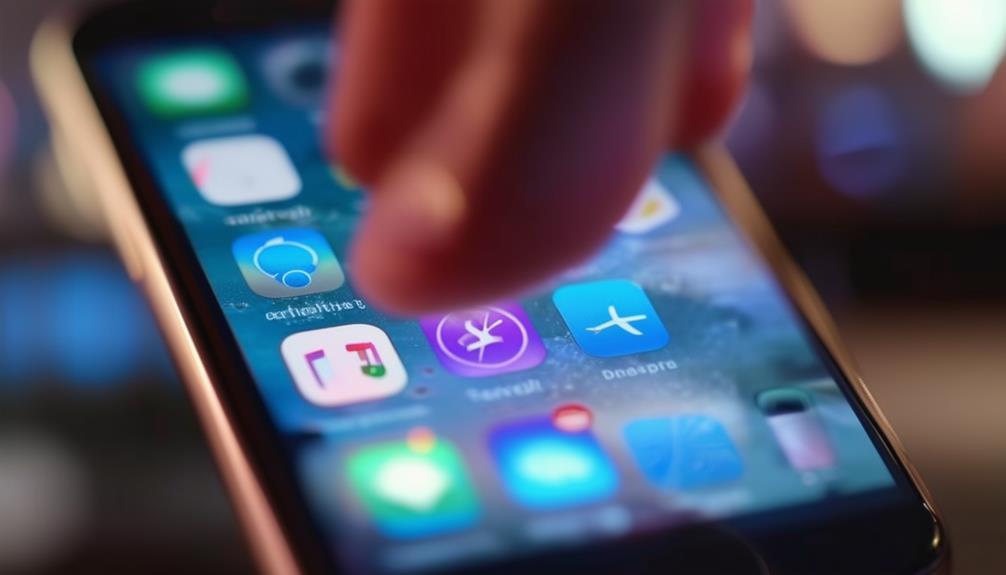
When should you stop troubleshooting and book a repair
iPhone screen issues need professional repair when safe first steps do not change the result. If a restart, charging, and removing accessories do nothing, further home troubleshooting often adds risk without adding value.
- Book a repair if the screen has visible cracks and touch faults.
- Book a repair if the display flickers, stays black, or shows lines after a drop or impact.
- Book a repair if the phone was exposed to moisture and the screen starts malfunctioning.
- Book a repair if the touchscreen becomes unreliable across multiple apps and after restart.
- Stop using the device if the screen is lifting, sharp, or unsafe to hold.
For a practical next step, Phone Expert offers walk in, online service, send it in mail in service, and pick up and return by appointment via courier across the Sunshine Coast and Bundaberg. If you do book, most repairs are completed within an hour, and there is a full 3 month warranty on all mobile phone repairs when using high quality parts.
Is repair or replacement the better choice
iPhone users should weigh the age of the phone, the severity of the damage, and whether the fault is limited to the screen. If the rest of the device is working well, an iPhone screen repair is often the simpler option.
Replacement or time to upgrade makes more sense in severe cases, such as repeated faults, major physical damage beyond the display, or when the phone already has declining battery performance and other issues. Some people choose to refurbish or replace an older device rather than invest further, but that decision is usually clearer after a proper assessment.

How can you protect your iPhone after a screen issue appears
iPhone users can reduce the chance of a small issue becoming a bigger repair. Once a screen problem appears, focus on protection first.
- Use a good quality case and a screen protector if the glass is still stable.
- Keep the device clean and dry.
- Avoid pressure, heavy bags, and hot cars.
- Back up your data in case the display fails completely.
- Arrange timely repairs instead of waiting for the problem to spread.
Book Online &
Save $10 on Your Mobile Phone Repair
By booking online, you get an exclusive $10 discount on your repair cost. Don’t miss out on this special offer!
Frequently Asked Questions
Yes, sometimes. If the issue is caused by a temporary freeze, app conflict, or minor software glitch, restarting your phone can restore normal touch and display behaviour. If the same problem returns quickly, the fault is less likely to be software only.
Yes. A phone can seem fine at first, then develop flickering, poor touch response, or a black display later. Water damage can affect internal parts over time, so delayed symptoms are common after exposure.
You can sometimes use it briefly, but it is not ideal. A cracked screen can worsen, reduce touch sensitivity, and let in moisture. It is safer to protect your device, back up your data, and arrange screen repair sooner rather than later.
Only for confident users with correct tools and a clear understanding of the risks. A DIY kit can turn a simple screen issue into a larger repair if the phone has hidden internal damage. For most people, professional repair is the lower risk option.
What to remember before you decide
- Match the symptom first, then choose the least risky fix.
- Restart helps with some software glitches, but it will not fix physical damage.
- A cracked or damaged screen can get worse even if the phone still works.
- Stop DIY troubleshooting if the screen stays black, becomes unresponsive, or shows signs of water damage.
- Protect your device with screen protectors or cases and avoid delay if the fault is spreading.
If you want a professional opinion, Phone Expert has six locations shown on its homepage and offers walk in and online options. You can book online and save $10, get a quote, call (07) 5378 1064, or email info@phone-expert.com.au.