No products in the cart.
If you have ever wondered why one charger can charge your phone incredibly quickly while another feels slow, the answer often comes down to the charging protocol being used. Modern phones rely on USB-C, PD, and PPS to unlock fast charge performance. Understanding USB PD and PPS helps you choose the right USB-C charger, improve charging efficiency, and protect long-term battery charging health. This guide from Phone Expert explains how USB power delivery, PD fast, and PPS fast charging actually work in real-world phone charging.
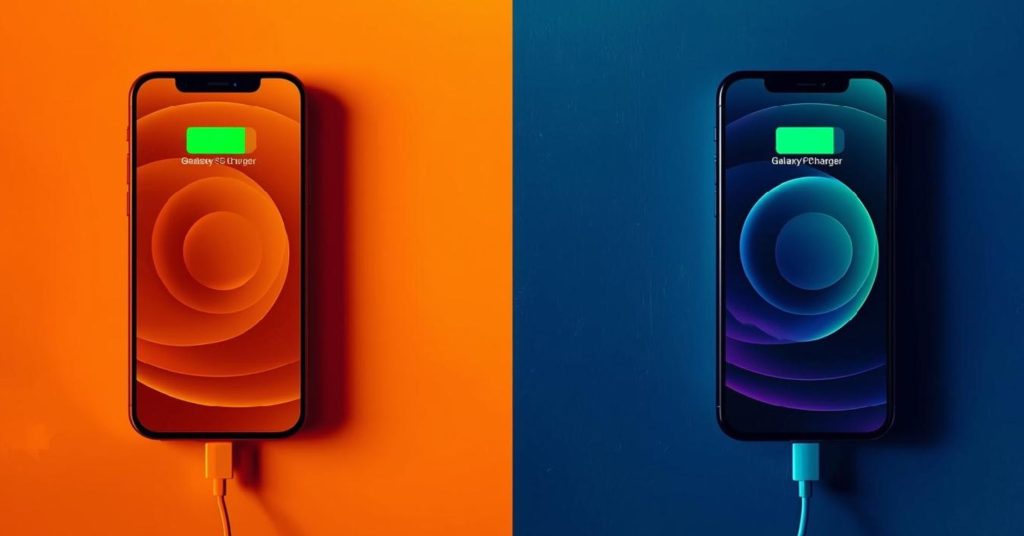
What USB-C Power Delivery means for fast charge
USB-C power delivery is a universal charging standard that allows a charger and device to negotiate how much power is needed to charge safely and quickly.
At its core, power delivery is designed by USB Implementers to replace older standard USB limits. Instead of fixed power levels, USB PD dynamically adjusts charging voltage and current. This enables higher charging power without overheating cables or devices. With USB-C, a single USB cable can handle phones, tablets, and laptops.
A PD charger supports multiple power profiles defined in the USB PD protocol, including USB PD 3.0 and newer PD 3.1 revisions. These profiles allow faster charging while keeping charging speed and battery health balanced.
Key benefits of USB PD
- Works across many USB-C devices
- Enables fast charging standard support
- Improves charging experience through smart negotiation
- Supports PD and qc compatibility in many chargers
This makes USB-C PD the foundation for modern charging solutions.

How PPS changes charging speed and efficiency
PPS stands for programmable power supply, and it is an advanced feature built on top of PD. While PD uses fixed voltage steps, PPS allows the charger to fine-tune voltage in real time.
With PPS charging, the phone constantly communicates with the charger to request exactly the power it needs. PPS allows the device to reduce heat, which can otherwise slow down charging and damage the battery. This is why PPS solves common issues where traditional fast charge slows down after a few minutes.
Many modern phones, especially Samsung devices, rely on PPS fast charging to deliver super fast charging while maintaining optimal charging conditions.
Why PPS matters
- Helps enhance charging efficiency
- Reduces heat during phone charging
- Prevents power waste from fixed voltages
- Supports smoother charging rates
A PPS charger combined with a PPS-capable PD device offers a noticeably better fast charging experience.

PD vs PPS explained in simple terms
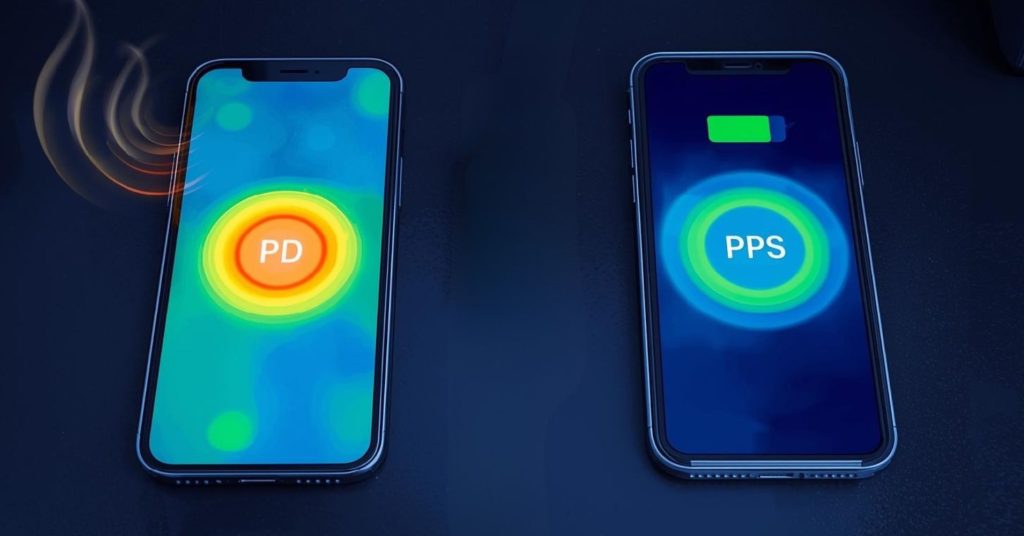
The PD vs PPS discussion often causes confusion. In simple terms, PD is like a smart on-off switch with preset power levels, while PPS protocol is more like a dimmer switch that adjusts power smoothly.
In a PD vs comparison, both use USB-C and power delivery, but vs PPS, standard PD may generate more heat because voltage steps are fixed. PD and PPS together provide flexibility, efficiency, and safety.
PD vs PPS at a glance
| Feature | PD | PPS |
|---|---|---|
| Voltage control | Fixed steps | Continuous adjustment |
| Heat management | Moderate | Excellent |
| Battery impact | Good | Better |
| Typical use | Laptops, phones | Phones with fast charge |
Choosing PD or PPS depends on whether your phone and charger both support PPS.

Why Samsung phones rely on PPS fast charging
Many Samsung models advertise super fast charging. This relies on PD 3.0 PPS charger support rather than proprietary fast systems. Unlike proprietary fast charging technologies, Samsung uses open charging technologies built on USB PD 3.0 standard.
When a Samsung phone detects a charger supports PPS, it adjusts power continuously for maximum charging without overheating. This improves charging time, avoids stress on the battery, and maintains consistent charging speed.
Not all chargers support fast PPS modes, so checking PPS support is essential for Samsung users.
Charger compatibility and what to look for
A fast charger must match both the device and charger capabilities. Even if a phone supports PD, it will fall back to slower speeds if the charging equipment does not.
When choosing a USB-C charger, check for:
- Support USB PD
- Explicit PPS support
- Certification for USB PD protocol
- Compatibility with PD revision 3.0 or PD 3.1
Some chargers include PD compatibility across phones, tablets, and laptops, making them ideal all-in-one charging devices.
When PD and PPS may not be the right fit
While different charging technologies exist, PD and PPS may not benefit older devices. Phones that do not support PD or PPS will default to slower 3.0 charging or even qc 3.0 standards. In these cases, using a high-power charger will not improve charging very fast speeds and may simply add cost.
How to decide if you need PD or PPS now
If your phone phones support fast charging through USB-C fast methods, investing in USB PD and PPS makes sense. If your usage involves heavy daily charging, improve charging efficiency with PPS to reduce heat and extend battery life.
If charging overnight, basic standard USB PD may be enough.